
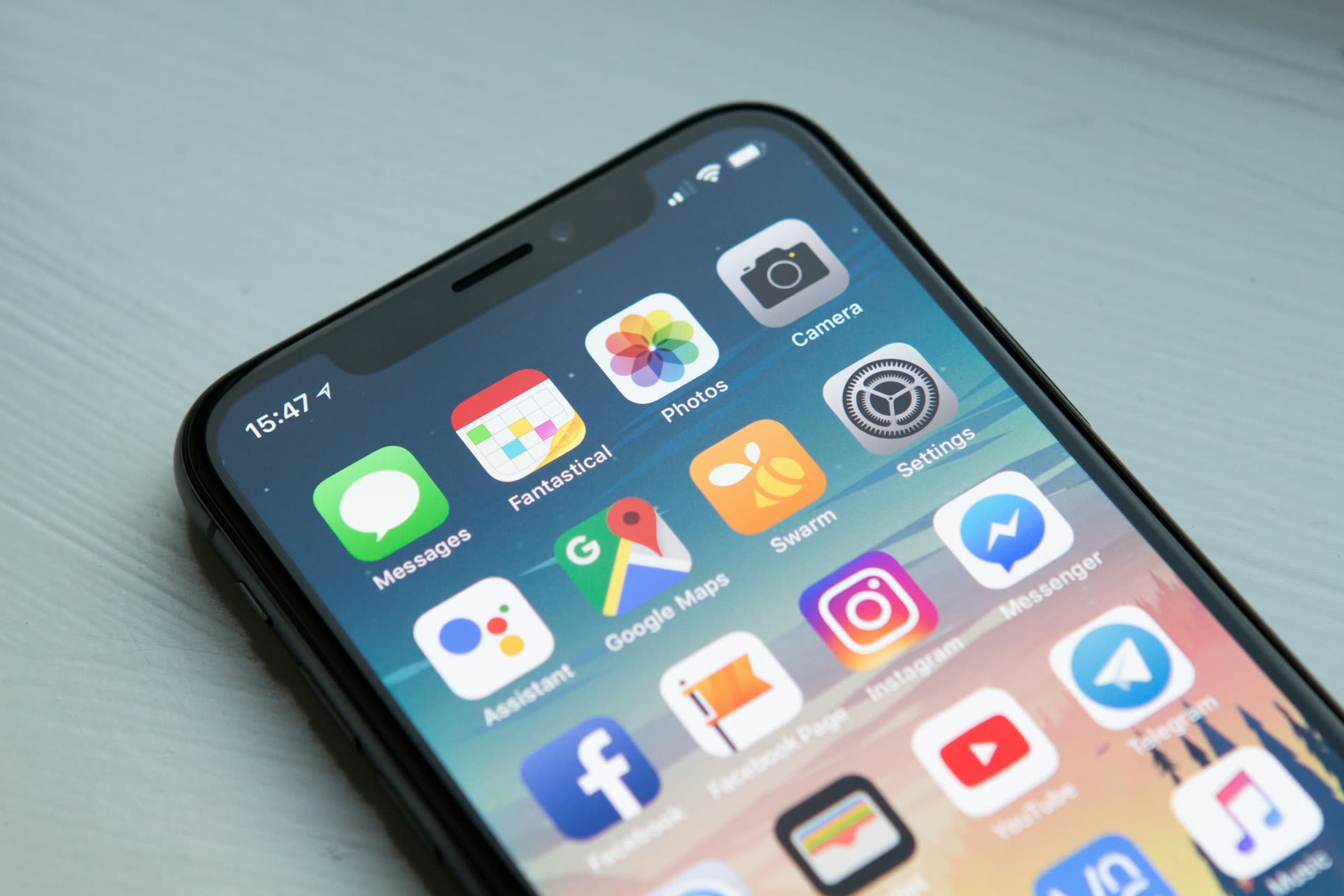
Mobile App Development
 & Full-Stack.

Our Process
Discovery and Technical Scoping
We define core user flows, decide native versus cross-platform, map the API and data model, and lock a build plan with a release target.
Mobile UX and Interactive Prototype
We design screen-by-screen flows in Figma and ship a clickable prototype so you test navigation and gestures on a real device before any code is written.
Sprint Build and API Integration
We develop in two-week sprints, wire the app to your backend and third-party services, and push TestFlight and Play internal-test builds for review each cycle.
Store Submission and Phased Launch
We prepare listings, screenshots and privacy declarations, manage App Store and Play review, then publish a staged rollout while monitoring crash and adoption rates.

Apps your users open every day, on every device they own
We design for thumbs, not desktops: fast cold starts, smooth 60fps scrolling, offline-tolerant flows and a first session that needs no manual. The result is an app that earns retention instead of an uninstall.
Our Benefits
One team owns both the iOS and Android builds, so your apps stay in feature parity instead of drifting apart release after release.
We have shipped through App Store and Play review many times and handle the privacy labels, signing and rejections that stall first-time submissions.
Crash reporting and performance monitoring are wired in from day one, so regressions surface in dashboards rather than in your one-star reviews.
Native depth or cross-platform reach, chosen for your roadmap
The native-versus-cross-platform decision shapes your cost, performance and team for years, so we make it deliberately rather than by default. When you need deep hardware access, heavy animation, ARKit or platform-specific polish, we build native in Swift and SwiftUI for iOS and Kotlin with Jetpack Compose for Android. When you want one codebase, faster iteration and tighter budgets across both stores, we build in Flutter or React Native and drop to native modules only where it counts. Either way you get clean architecture, automated tests and CI so the codebase stays maintainable as it grows.
An app is only as good as the data behind it, so we treat the API and backend as part of the build, not an afterthought. We integrate with your existing REST or GraphQL services, or stand up a backend on Node, Firebase or Supabase, and handle auth, push notifications via APNs and FCM, in-app purchases, deep linking and offline caching with proper sync. We instrument the app with analytics and crash tools such as Firebase Crashlytics and Sentry from the first build, so launch decisions and post-launch fixes are driven by real device data rather than guesswork.
Our Approach
We treat your app as a product with a roadmap, not a one-off deliverable, and build it to survive OS updates, new devices and your next ten features.
-
Test on real hardware early
We put a clickable prototype, then weekly TestFlight and Play builds, on actual devices so issues surface before launch, not after.
-
Build for parity and reuse
We keep iOS and Android aligned in features and design, sharing logic where cross-platform makes sense and going native where users feel the difference.
-
Instrument before you ship
Crash reporting, analytics and performance budgets go in from sprint one, so every release decision is backed by data from the field.